
The 5-Second Dinner: Why Does Your Pet Eat So Fast?
Share
The 5-Second Dinner: Why Does Your Pet Eat So Fast?
You spend time choosing their food, preparing their meals and making sure they have everything they need. Then, in the time it takes you to turn around, dinner has disappeared. Sound familiar?
If you live with a four-legged food enthusiast, you probably know the scene.
Your dog hears the sound of food hitting the bowl and suddenly forgets everything except dinner. Your cat takes a few eager bites, swallows quickly and looks at you as if you've somehow forgotten to feed them.
And you're left wondering: Did they even taste that?
It's easy to laugh at our pets' enthusiasm for food. But if every meal becomes a race, it might be time to rethink the way we serve it.
The answer isn't necessarily a different diet or a complicated feeding routine. Sometimes, a small change to the bowl can make a surprisingly useful difference.
🐾 Why Is Your Pet Always in Such a Hurry?
First, let's clear something up: fast eating doesn't automatically mean your pet has a problem. Some animals are simply enthusiastic eaters. Others may feel competition around food, have learned to eat quickly, or be responding to changes in appetite.
But there are a few reasons why it's worth paying attention.
1. Dinner becomes a race, not a meal
Some dogs gulp down mouthfuls so quickly that food barely seems to touch the sides. Cats can be just as enthusiastic, especially when they're particularly motivated by food.
Rapid eating can sometimes contribute to regurgitation or discomfort. It can also make mealtimes messy, leaving you cleaning up the floor instead of enjoying a peaceful moment with your pet.
2. Your pet might be missing out on the experience
Here's something we don't always think about: eating is an activity, too.
Dogs use their noses to investigate the world. Cats benefit from opportunities to explore, search and engage with their surroundings. Yet when food is served in a completely open bowl, the meal can be over almost as soon as it begins.
What if mealtime offered your pet a little more to do?
That's where feeding enrichment comes in. Organisations such as the RSPCA recognise food-based activities as one way to encourage natural behaviours and make everyday life more stimulating.
3. The food bowl might be part of the problem
We're often focused on what goes into the bowl: the ingredients, the portions and the nutritional value.
But we rarely stop to consider the bowl itself.
A standard bowl gives eager eaters easy access to their food. For pets that consistently gulp down meals, a bowl with raised ridges and shaped sections can introduce a little more challenge.
And no, that doesn't mean making your pet work unnecessarily hard for dinner. It means finding a comfortable balance between easy access and a more measured eating pace.
💡 A Small Change That Could Make Mealtimes Better
Meet the slow feeder bowl.
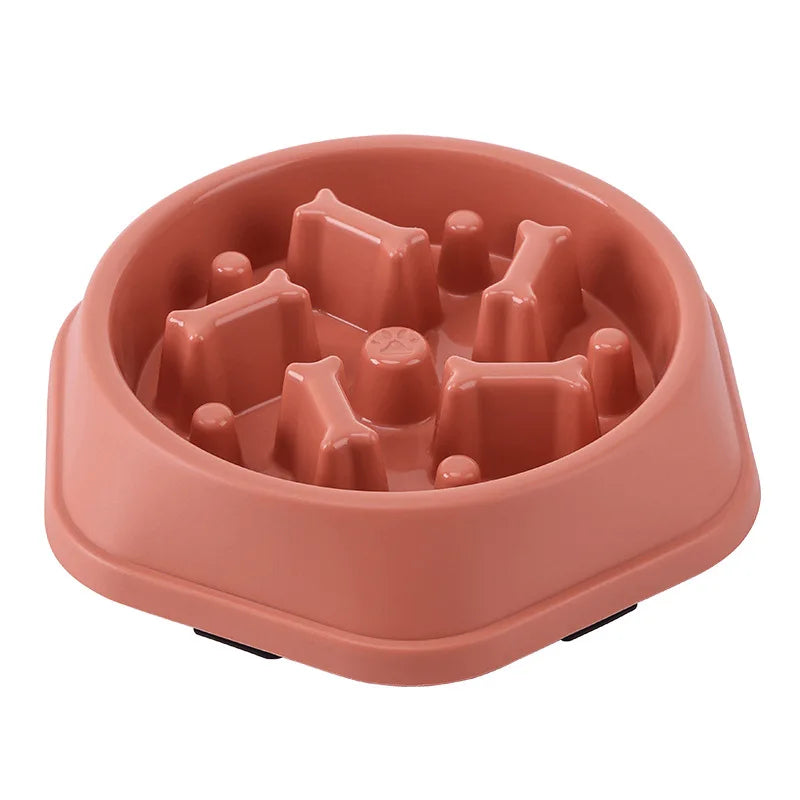
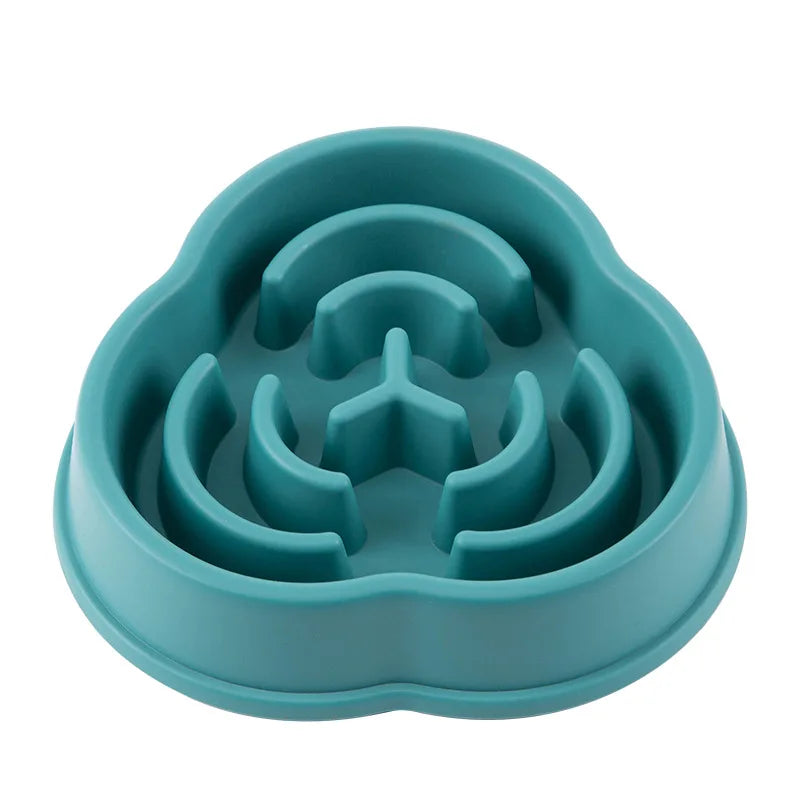
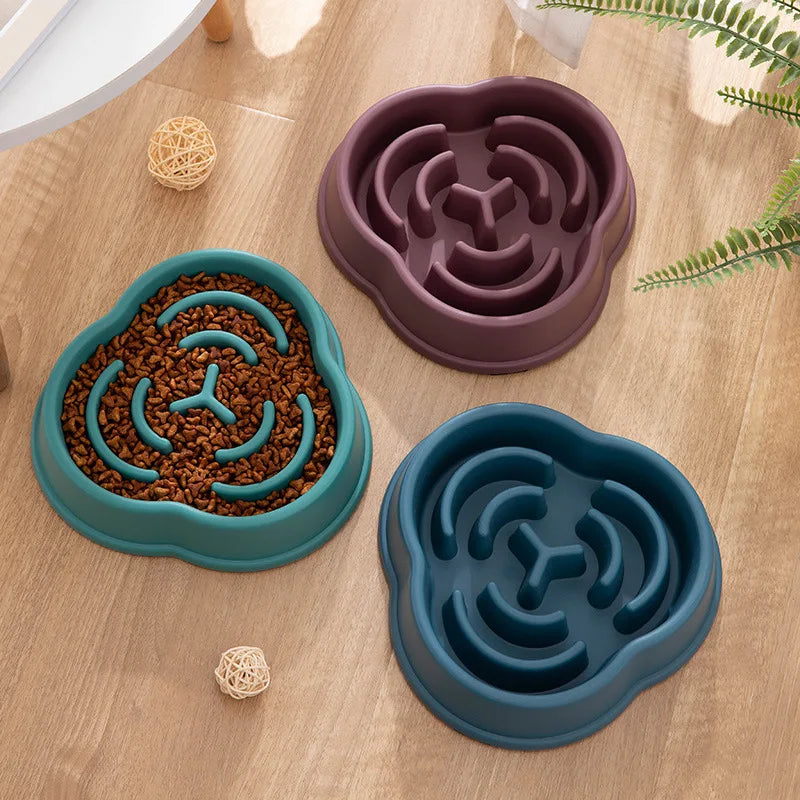
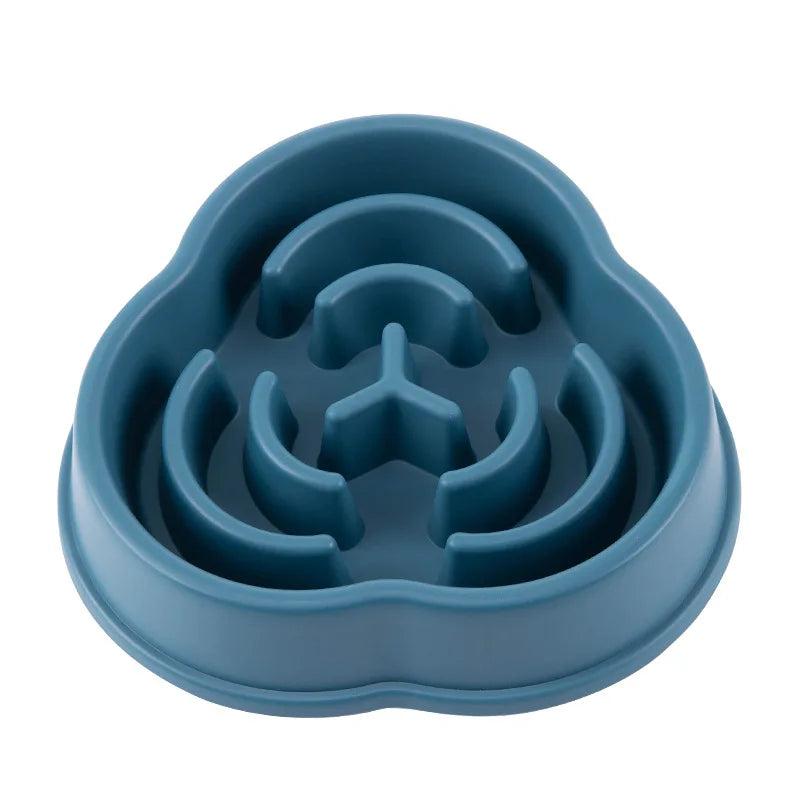
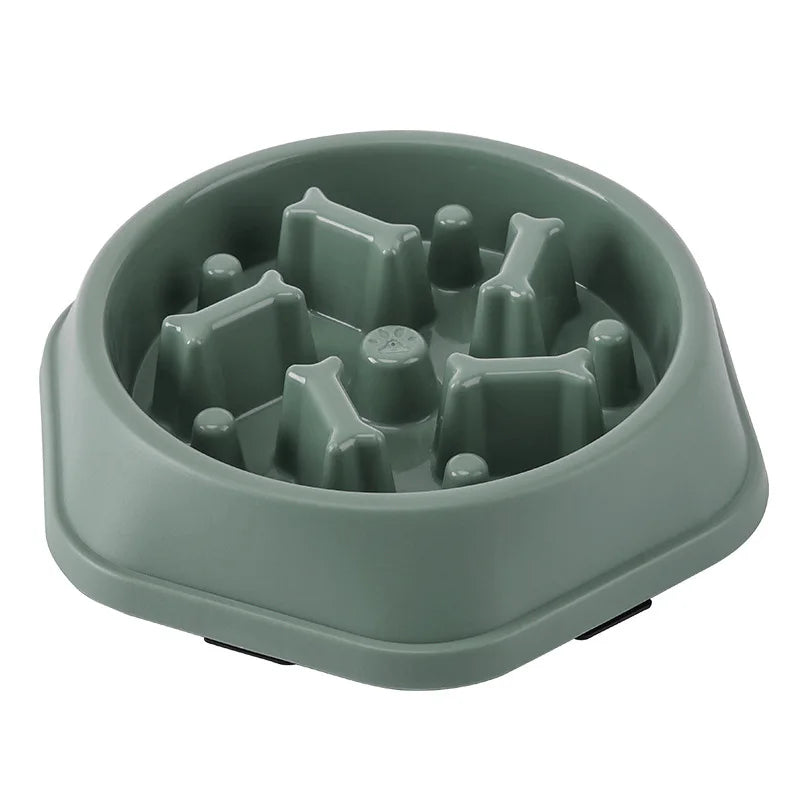
Instead of presenting food on one completely open surface, a slow feeder uses raised patterns, curves or maze-like sections to change how your pet reaches each mouthful.
Our Slow Feeder Pet Bowl at Tailor Tails by A&Z Trendora is designed around this simple idea.
Here's why pet parents might want to give it a try.
🐶 Less gulping, more measured eating
The raised sections encourage your pet to navigate around the bowl to reach their food. This can help slow down enthusiastic eaters, although results vary from one pet to another.
🧠 Turn an ordinary meal into a little challenge
Why should all the fun happen after dinner?
A slow feeder adds an element of exploration to feeding time. Your pet gets to investigate the different sections instead of immediately scooping up food from an open surface.
It won't replace walks, play or interaction with you, but it can be another small way to make a daily routine more engaging.
🧼 Make everyday feeding practical
A feeding accessory should work for your home as well as your pet.
Our bowl features a shaped interior, a thickened design and a non-slip base intended to help keep it stable during use. With different colours and patterns available, you can choose a design that suits your pet and your space.
🐱 Because cats deserve a little enrichment, too
Slow feeders aren't just for dogs.
Some cats enjoy investigating food puzzles and working their way around shaped feeding sections. For an indoor cat who enjoys food-based challenges, a suitable slow feeder can add variety to the daily routine.
Just make sure the pattern is appropriate for your cat's size and face shape, and that they can reach their food comfortably.
❤️ Here's the Perspective Every Pet Parent Should Consider
We tend to measure a good feeding routine by a simple question: Did my pet finish their food?
But perhaps there's another question worth asking:
Did we make their everyday experience as comfortable and enriching as we could?
Think about your own day. You don't just need food; you also benefit from variety, enjoyable experiences and opportunities to engage with the world around you.
Our pets have their own individual needs, too.
A dog might love an extra sniffing challenge. A cat might enjoy investigating a new feeding activity. Another pet might prefer a familiar, uncomplicated bowl.
There's no single solution for every animal. The real goal is to understand what your pet enjoys and find small, practical ways to support their wellbeing.
A slow feeder isn't a magic fix for every eating habit. But for a pet that rushes through meals, it may be a worthwhile place to start.
⚖️ Will a Slow Feeder Help Your Pet Lose Weight?
Let's address a common misconception.
A slow feeder changes the way your pet accesses food. It doesn't reduce the calories in the bowl.
If your pet is gaining weight, portion sizes, treats, activity levels and individual health needs still matter. Speak to your vet if you need help managing your pet's weight.
Think of the slow feeder as a feeding aid, not a weight-loss product.
And if your pet's fast eating is accompanied by repeated vomiting or regurgitation, a sudden increase in appetite, or other concerning symptoms, consult your vet rather than relying on a new bowl alone.
🐾 How to Make the Switch Without the Fuss
New things can take a little getting used to, especially when food is involved.
Here's how to introduce a slow feeder comfortably:
Start small. Offer a little of your pet's usual food and let them explore the bowl.
Choose the right design. Deep or complicated patterns aren't suitable for every pet. Make sure your cat or dog can reach the food without struggling.
Keep an eye on them. Supervise the first few meals and check that your pet isn't becoming frustrated or chewing the bowl.
Stick to measured portions. A slower meal doesn't mean your pet needs more food.
Keep it clean. Wash the bowl regularly and follow the manufacturer's care instructions.
If your pet struggles with the bowl or stops eating normally, return to a comfortable feeding method and seek veterinary advice if necessary.
Make Every Mealtime Count 🐾
Your pet's day is made up of little moments: the excitement of a walk, a favourite toy, a sunny spot by the window and, of course, the arrival of dinner.
Those moments matter.
If your cat or dog eats too quickly, why not try making mealtime a little more engaging?
Our Slow Feeder Pet Bowl is designed to encourage a slower eating pace through its raised feeding patterns, while offering a practical design for everyday use.
It's a simple addition to your pet's routine, with the potential to make an ordinary meal more interesting.
Because caring for your pet isn't just about filling the bowl. It's about making the little things count.
Discover the Slow Feeder Pet Bowl
Give your furry companion a different way to enjoy mealtime with Tailor Tails by A&Z Trendora.
Because they're more than pets. They're family. ❤️








1 comment
Informative blog